Owner Care
Electric Scooter Lights: What to Check While Parked
Use the exact manual to distinguish an external lighting observation from a diagnosis, and arrange qualified assessment without improvised electrical repairs.
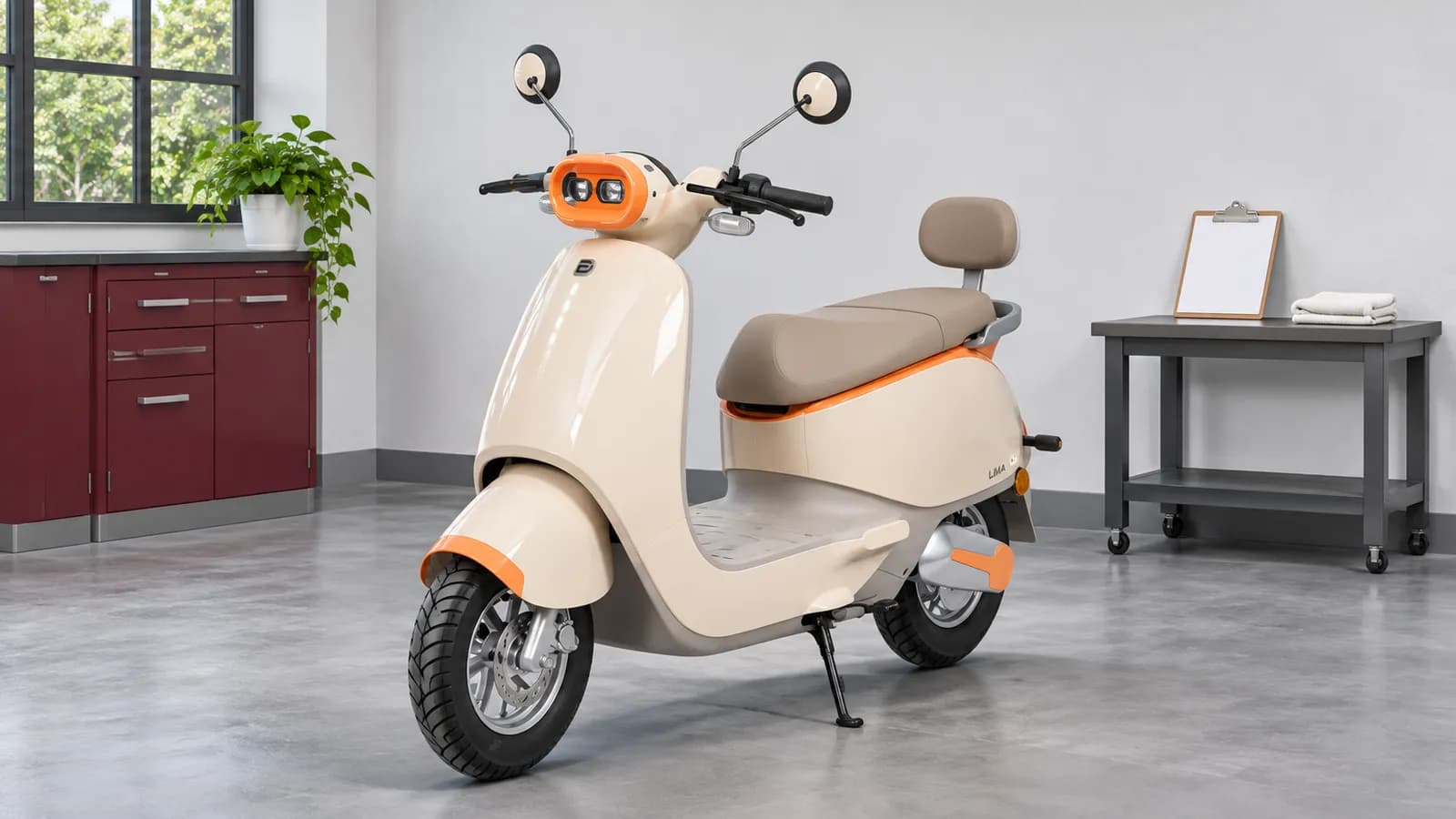
Before setting off, use the exact scooter's instructions to check the condition and expected operation of its lights while the vehicle is safely stationary. Look for an obstructed, damaged or non-working lamp and raise an unexplained change with a qualified workshop. A display symbol alone is not confirmation that the corresponding external light is working.
This guide covers observation and support questions, not electrical repairs, beam adjustment or a roadworthiness certificate. Do not ride out to test a suspected lighting fault, open a lamp assembly, bridge a connection or fit an unverified replacement. If you cannot carry out an observation safely, arrange suitable help instead.
Find the instructions for your actual configuration
Identify the model, variant and manual before trying switches. Some equipment may be automatic or depend on a particular operating state. Ask the seller or workshop to explain the normal behaviour for your exact vehicle, including which lights and switches are fitted. This article does not assert that every scooter has the same equipment.
Use the owner-manual guide if the document you received does not clearly identify the right version. Do not copy a switch sequence from a different scooter because the controls look similar.
The Motorcycle Safety Foundation's T-CLOCS checklist includes lamp condition, brake-light activation, turn signals, switches, lenses and reflectors. It is a general motorcycle inspection resource, not a Dynamo-specific service procedure. Its fuel, engine-fluid and other equipment sections should not be treated as instructions for an electric scooter.
Look at the outside before operating anything
With the scooter secure and the drive system not ready to move, look at accessible lamp surfaces and reflectors. Check whether a cover, bag, accessory or obvious dirt is obscuring them. Note visible damage or a part that appears out of place without pulling, loosening or removing it.
Use only the cleaning method permitted by the manufacturer. Do not scrape a lens with an improvised tool or use a chemical because it worked on another surface. For general care boundaries, see the cleaning guide.
A stationary observation is deliberately limited. You may notice a concern without knowing its cause, and a surface that looks intact does not establish that the electrical system is sound. Leave diagnosis, adjustment and any internal inspection to a qualified professional.
Ask for a safe operation demonstration
If you are unfamiliar with the scooter, ask the dealer or workshop to demonstrate the relevant checks first. They should follow the manual and prevent unintended movement throughout. Do not twist a drive control to see whether a lamp comes on, or place your hands near a wheel during a demonstration.
For equipment actually fitted, separate a lamp's external appearance from its response to the correct control. Ask the demonstrator to show the expected response rather than accepting a dashboard indication as the whole check. If you need assistance observing the rear of the scooter, arrange it while the vehicle remains stationary and stable.
Do not assume that an unfamiliar response is normal simply because another owner's video looks similar. Equally, avoid declaring an electrical fault solely from a recording. Describe the observation and have the exact model checked.
Keep a short observation record
The following is a reporting format, not a repair checklist:
| Record | Useful detail |
|---|---|
| Vehicle | Exact model and variant, supplied privately to support |
| Item | Which external lamp, reflector or associated control concerns you |
| Observation | What you could see, rather than an assumed failed component |
| Context | When noticed and whether it followed damage, service or an accessory change |
| Next step | Who will assess it and how the scooter should reach them safely |
A photograph can help show visible damage, but take it only while parked safely. Do not publish a vehicle identifier, address or private service document in a public discussion. You do not need to recreate a fault in traffic to make a support request credible.
Leave parts and adjustment decisions to the workshop
For an unexplained non-working light, damaged assembly or other safety concern, pause use and ask the qualified service provider what assessment and assistance are appropriate. Do not assume that daylight makes a suspected fault acceptable, or that an additional accessory light compensates for an unresolved problem.
If a replacement is proposed, ask the provider to identify the part for the exact scooter and explain any compatibility or adjustment requirements. The spare-part enquiry guide helps keep a part description separate from a confirmed fit. It is not authority to install the component yourself.
Close the loop after assessment
Request a job card describing the concern, what was checked, any work authorised and the provider's conclusion. If the vehicle is returned, ask for a stationary demonstration of the expected behaviour before accepting that your original question is resolved. Keep any limitation or further action in the record.
Use the fault-report guide to structure an enquiry and the official contact page to identify the appropriate Dynamo support route. A clear observation helps begin assessment; it does not replace the assessment or guarantee its outcome.