Owner Care
Dropped Your Scooter Helmet? Check the Maker's Instructions Before Reuse
Separate a helmet's visible appearance from its impact history, follow the exact maker's instructions and check the limits of any assessment offer.
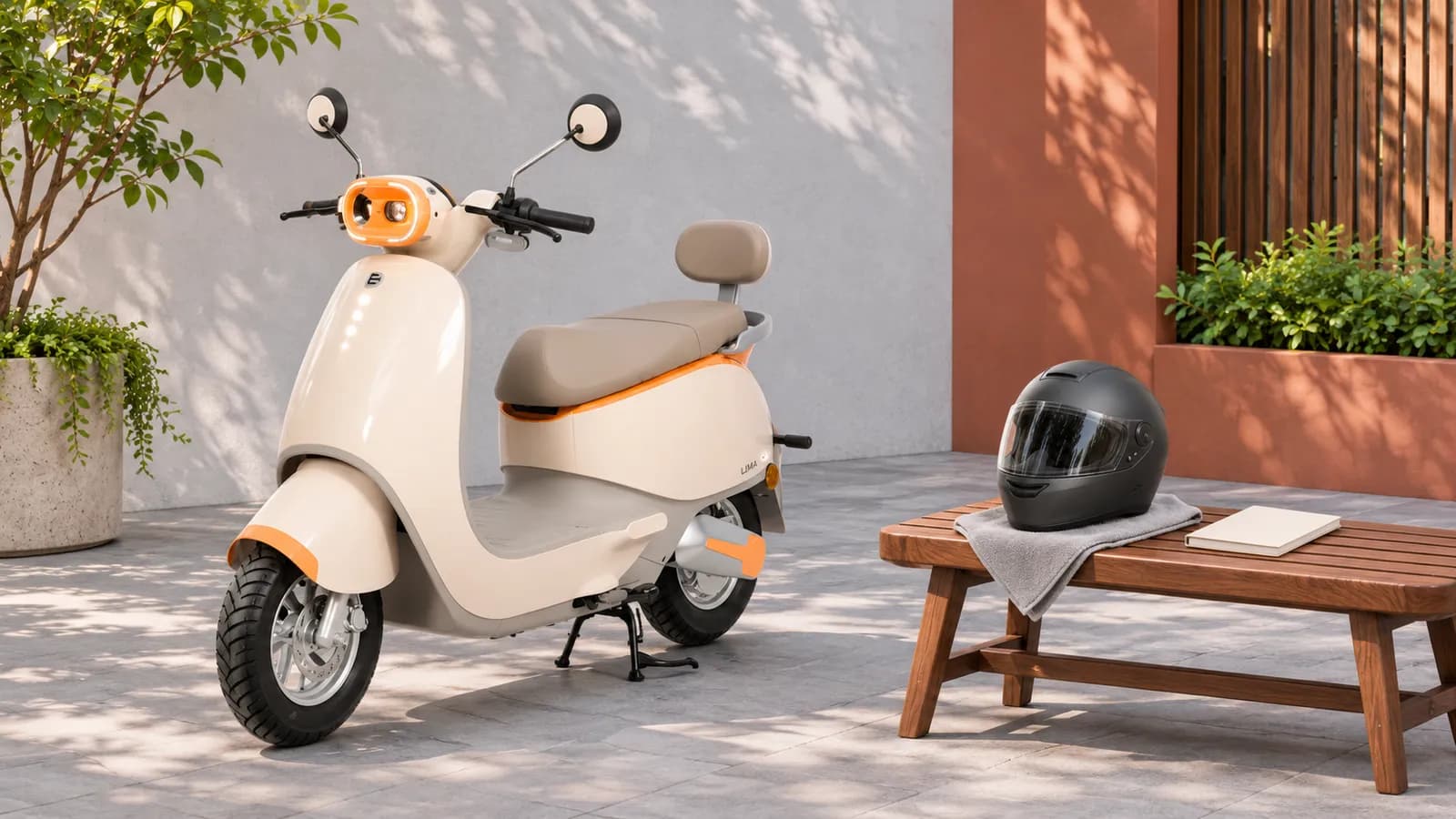
If a motorcycle helmet has been dropped or struck, do not decide that it is safe to wear solely because its outside looks unchanged. Stop using a helmet whose condition is uncertain and follow the instructions for its exact brand and model. Tell the maker what happened, including whether someone was wearing it. A photograph or another rider's experience cannot establish the condition of your helmet.
This guide is about helmet reuse decisions, not accident investigation or medical advice. Following an incident, address immediate personal safety first. A helmet discussion cannot determine whether someone is injured or whether the scooter itself can be used again.
Separate an empty drop from an impact while worn
An empty helmet falling from a shelf and a helmet taking an impact while someone is wearing it are different histories. Record which actually happened without treating that distinction as a do-it-yourself pass or fail test. Avoid universal rules based only on a guessed falling height or whether a scratch is visible.
SHOEI's general helmet-use instructions explain that its impact-absorbing liner can be compromised even when the exterior appears unchanged after a riding impact. The document directs owners to replace a helmet after it has protected them from such an impact and to consult SHOEI when uncertain about a drop. These are the maker's instructions for its products, not a claim that Dynamo inspects or approves helmets.
For an empty drop, SHOEI's worldwide FAQ says the circumstances matter and advises contacting the relevant distributor when in doubt. For another brand, use that brand's instructions rather than borrowing SHOEI's answer as a product-specific clearance.
Do not turn a visual check into a safety certificate
You may be able to describe a mark on the shell, a displaced part or an obvious change without knowing what it means internally. Do not remove structural parts, press or probe the impact liner, drop the helmet again as an experiment, or attempt a cosmetic repair to make it look acceptable.
Ask the manufacturer which observations it needs and which parts, if any, the owner may handle under the manual. A retailer's casual comment, a clean-looking visor or a social-media poll is not the same thing as the maker's assessment or replacement instruction.
Keep the helmet separate from equipment you intend to use while its status is unresolved. Do not lend it to another rider without explaining the history, or sell it as undamaged because the outside looks presentable.
Prepare a useful enquiry
Contact the helmet maker through a verified support route. Ask how it handles the exact event and product before arranging a shipment. Do not assume that an inspection programme advertised in another country accepts your helmet.
| Information | What to provide privately to the maker |
|---|---|
| Product | Brand, model and identifying details from the supplied documentation |
| History | Whether the helmet was worn, what it contacted and what is known rather than guessed |
| Observation | Visible changes, without an invented diagnosis |
| Evidence | Photographs requested by support, taken without disassembly |
| Next step | Whether the maker requires replacement or offers an applicable assessment route |
If the history is incomplete, say so. An uncertain event should not become a precise account just to obtain a reassuring answer.
Check the limits of an inspection offer
SHOEI's U.S. impact-inspection information restricts its programme to qualifying products and explains that an evaluation cannot identify every possible defect. It is not a universal service for all brands or all countries. This example shows why an owner needs the actual eligibility, scope and limitations before relying on a programme's name.
Keep the written response with the helmet's purchase record. Do not translate an acknowledgement that a question was received into an approval to reuse the helmet. Where the manufacturer's instructions require replacement, an attractive exterior is not a reason to disregard them.
Replacement is a separate buying decision
If replacement is required, choose the next helmet for the intended use and actual wearer. Verify the product and applicable information rather than assuming an old label or another person's size will answer those questions. The helmet buying and verification guide provides a separate starting point; it does not assess an impacted helmet.
Keep the vehicle decision separate too. After a scooter fall or collision, use the post-impact support guide to organise an enquiry rather than assuming a helmet outcome clears the scooter. For a later supervised ride, use the test-ride checklist and appropriate instruction. Neither an article nor a support receipt guarantees safety.