Buying guides
Electric Scooter Test Ride: A Practical Checklist
Use a safe showroom visit to assess fit, controls, parking and the exact variant, then collect a complete quotation and ownership documents.
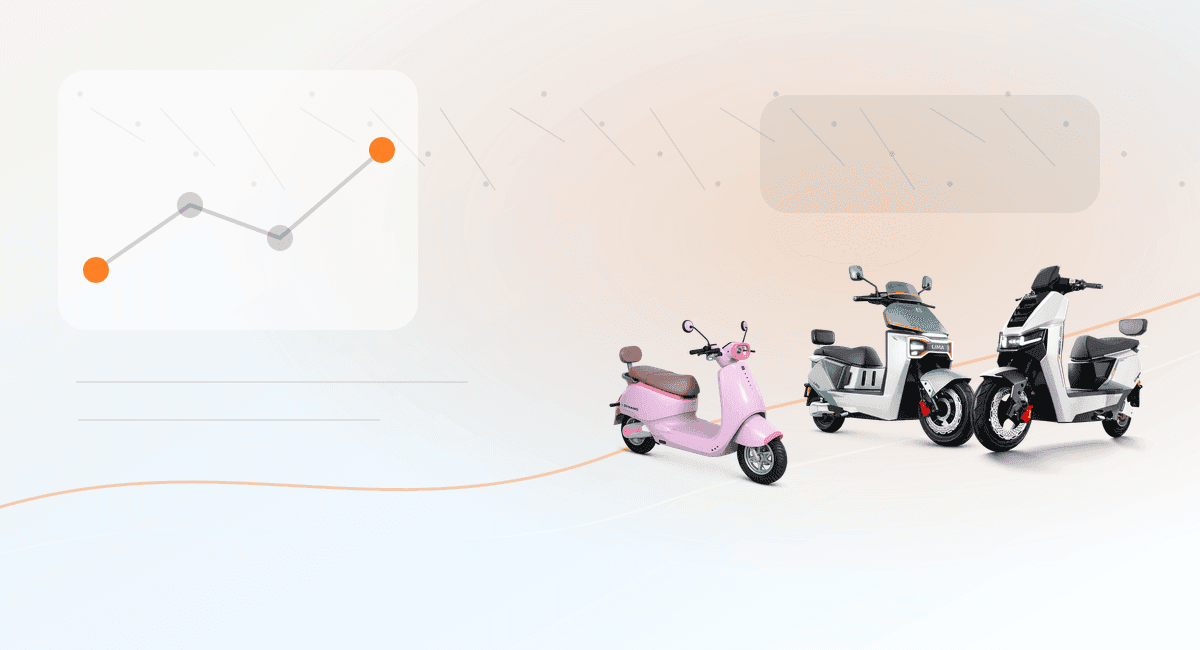
A useful electric scooter test ride checks whether the exact model fits your body, parking space and normal riding needs. Confirm the demo variant first, follow the dealer's authorised route and safety requirements, then review the quotation and warranty. A short demo is not a range certification or a high-speed performance test.
Before the appointment
Call to confirm the model, battery variant and demo availability. Ask which documents and safety equipment are required and whether another regular rider can attend. Follow applicable licence and riding requirements; do not assume every electric scooter has the same legal classification.
Bring a note of your return commute, usual luggage and parking constraints. If storage matters, bring the actual bag or helmet you hope to carry and ask permission to check the fit. You can organise those needs using the daily-use buying guide.
Inspect the parked scooter first
Ask the dealer to explain the controls, starting sequence, parking procedures and any riding modes before moving. Check whether the display is readable and whether you can comfortably reach and operate the switches. Try moving the scooter while parked only under the dealer's guidance and in a suitable area.
Assess foot placement, seat access and how you would get out of your usual parking bay. If two people will share the scooter, repeat these checks for both. A model that feels comfortable to one rider need not suit another equally well.
| Check | Record after the demo |
|---|---|
| Variant | Model, battery and relevant accessories |
| Controls | Comfortable, needs adjustment, or unsuitable |
| Parking | Fits the normal space or needs another plan |
| Storage | Actual items checked, not assumed |
| Ride comfort | Your observations on the authorised route |
| Follow-up | Questions still needing a written answer |
During the authorised ride
Wear the required protective equipment and follow the instructor's directions and road rules. Start only when you understand the controls. Observe normal acceleration response, riding position and ordinary braking feel within a safe demonstration; do not attempt maximum-speed runs, emergency stops or risky handling tests.
If something feels unfamiliar, stop safely and ask for guidance. Do not use a passenger or luggage load beyond what the dealer authorises for the demonstration. Keep observations personal: one short ride is not a measured reliability, braking-distance or full-range test.
After the ride, review the paperwork
Ask for an itemised quotation for the version you rode or clearly record any differences from the version offered. Confirm charger inclusion, optional accessories, insurance, registration where applicable and finance charges. Do not allow an attractive instalment to replace a discussion of the total amount payable.
Request the documents in our warranty checklist. Ask where service is handled and verify that the charging arrangement you intend to use is suitable. No verbal range estimate should be treated as a guarantee for your route.
How do I compare two test rides?
Use the same checklist and your own requirements for each visit. Record what you observed, what the dealer stated and what is documented as three separate things. Avoid turning a subjective score into an objective ranking of brands.
For official safety background, consult the Ministry of Road Transport and Highways road-safety resources. To arrange a Dynamo visit, review the current catalogue and confirm a dealer appointment. Do not pay a booking amount until the variant, price and outstanding questions are clear.