Buying Guide
Electric Scooter Seat Reach: A Stationary Fit Check Before Buying
Assess the actual scooter's seated reach with showroom assistance, keep fit separate from riding readiness and avoid promises based on one height measurement.
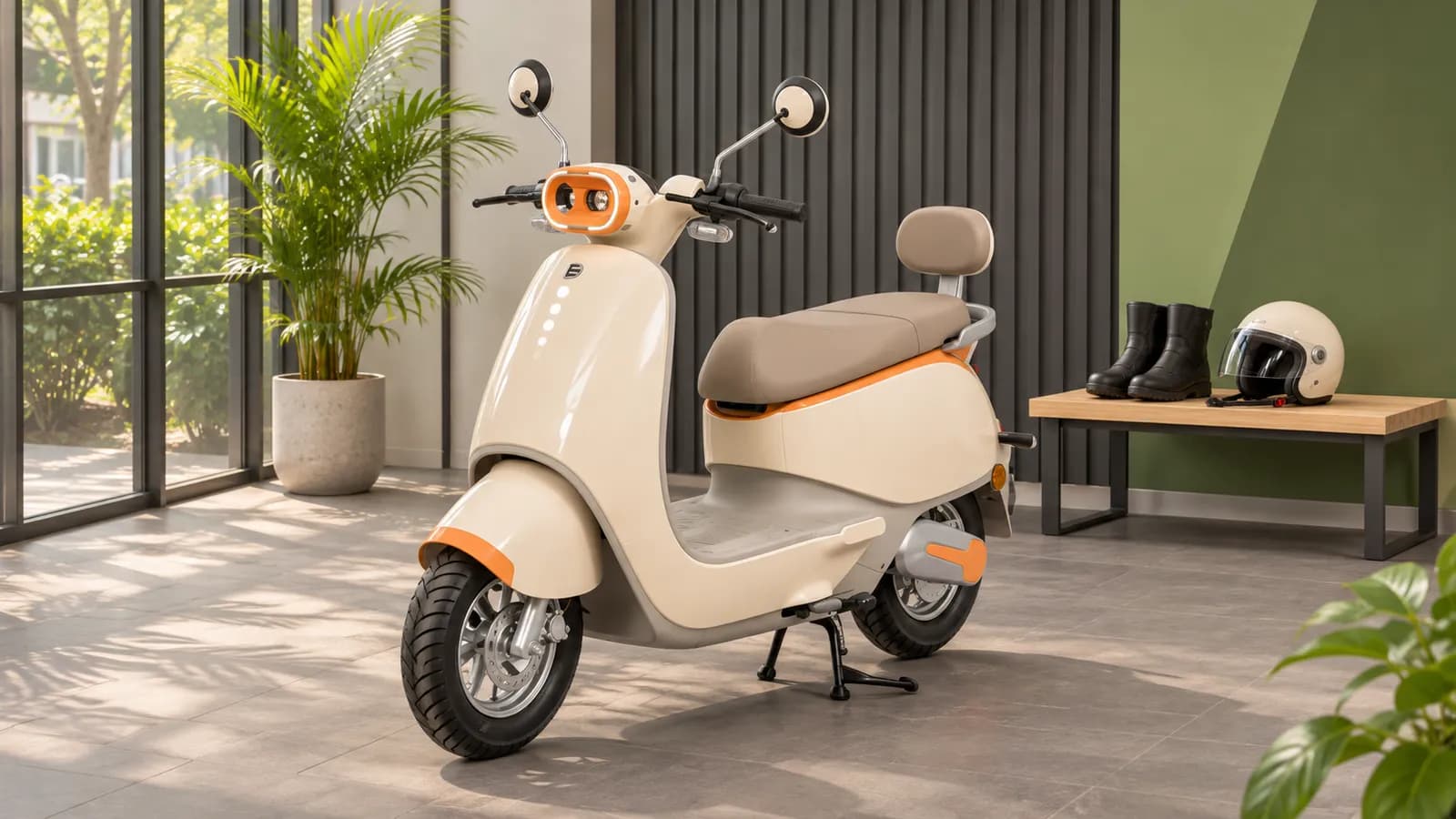
Check an electric scooter's fit on the actual vehicle before deciding from its seat-height figure. With assistance from the showroom team and the scooter safely stationary, establish whether you can support it at a stop, reach its controls and sit without an awkward stretch. A specification can help you shortlist models, but it cannot confirm that a particular scooter fits your body or experience.
This is a buying guide, not a riding lesson or a medical assessment. Do not attempt a balance test alone, deliberately lean a scooter to find your limit or activate its drive system to explore the controls. If you cannot participate comfortably in a supervised stationary check, pause the demonstration and seek suitable instruction or another model.
Start with the complete vehicle, not one measurement
The Motorcycle Safety Foundation's motorcycle-choice guidance recommends selecting a machine whose size, controls and seated position suit the rider. It specifically discusses reaching the ground to support a stopped motorcycle. That is useful general fit guidance, not a Dynamo model endorsement or a substitute for instruction on your exact scooter.
A published seat-height number does not describe your whole seated position. Before comparing two figures, ask which variant and seat arrangement each refers to. Look at the vehicle you would actually receive, including any fitted seat cover or accessory, rather than assuming that a display unit and an ordered configuration are identical.
For a Dynamo enquiry, use the dealer locator to ask whether the exact model can be viewed. Confirm the appointment and availability with the outlet. A listing is not a promise that a demonstration vehicle is waiting there.
Arrange a supported, non-powered demonstration
Tell the showroom representative that you want to assess seated reach before considering a ride. Ask them to explain how they will keep the scooter stable, prevent unintended movement and help you get on and off. The staff should follow the manufacturer's procedure for the vehicle; do not improvise by removing a stand or asking an unprepared companion to hold it.
Wear the protective footwear you intend to use, rather than selecting unusual shoes merely to make a showroom check appear successful. Tell the representative if you have a mobility limitation or need a different way to approach the demonstration. You do not need to share private medical documents to explain that a movement feels difficult.
Do not climb onto an unsupported scooter to take a photograph. Ask permission before sitting on a display vehicle, and keep bags and loose items away from the space where you will place your feet.
Separate the observations
Ask the representative to help you assess these questions without turning the session into an unsupervised practice exercise:
| Area | Question to resolve on the actual scooter |
|---|---|
| Stopped support | Can I support this vehicle as instructed without feeling that I am losing balance? |
| Hand position | Are the hand controls accessible from the normal seated position? |
| Seating | Can I remain in that position without a persistent awkward reach or pressure point? |
| Foot space | Does my intended footwear fit in the rider's space without an improvised posture? |
| Getting on and off | Can this be demonstrated safely, with assistance where needed? |
Record what you could actually assess and what remained uncertain. An honest note such as "seated reach checked with staff support; balance not yet assessed in training" is more useful than a blanket statement that the vehicle fits perfectly.
Do not replace a fit concern with a modification promise
If someone proposes changing the seat, suspension, handlebar or controls, ask whether the manufacturer supports that exact change and what further assessment would be required. Do not pay on the assumption that an unspecified alteration will solve a fit problem. Avoid trial changes to a display vehicle or instructions to adjust safety-related components yourself.
Accessories can also change the setup you assessed. Before adding one, read the accessory compatibility checklist and ask to distinguish an approved configuration from a salesperson's suggestion. A separate accessory's availability does not prove its suitability for your scooter or your needs.
Keep stationary fit separate from riding readiness
Being comfortable while sitting on a supported scooter does not establish that you can operate it safely. Riding requires appropriate instruction, protective equipment and compliance with the requirements applicable to the rider and exact vehicle. This article does not determine those requirements or claim an exemption.
If a ride is appropriate, arrange it separately using the test-ride checklist. Ask who will supervise, where the assessment will take place and what the provider requires before taking part. Stop if you feel unable to control the vehicle; do not treat completing a demonstration as an obligation to buy.
Before you confirm the purchase
Keep the model and variant beside your fit notes, the unresolved questions and any promised follow-up. Ask for the correct owner-manual version so that the instructions refer to the vehicle being considered.
The next useful step is not always a booking. It may be another supervised viewing, appropriate rider training or comparing a different vehicle. Use the official contact route to resolve product questions, without assuming that a seat-height figure or an attractive photograph can make that decision for you.