Ownership
Electric Scooter Battery Labels: What V, Ah and Wh Actually Tell You
Understand voltage, charge capacity and energy ratings without treating a battery label as proof of condition, compatibility or guaranteed journey distance.
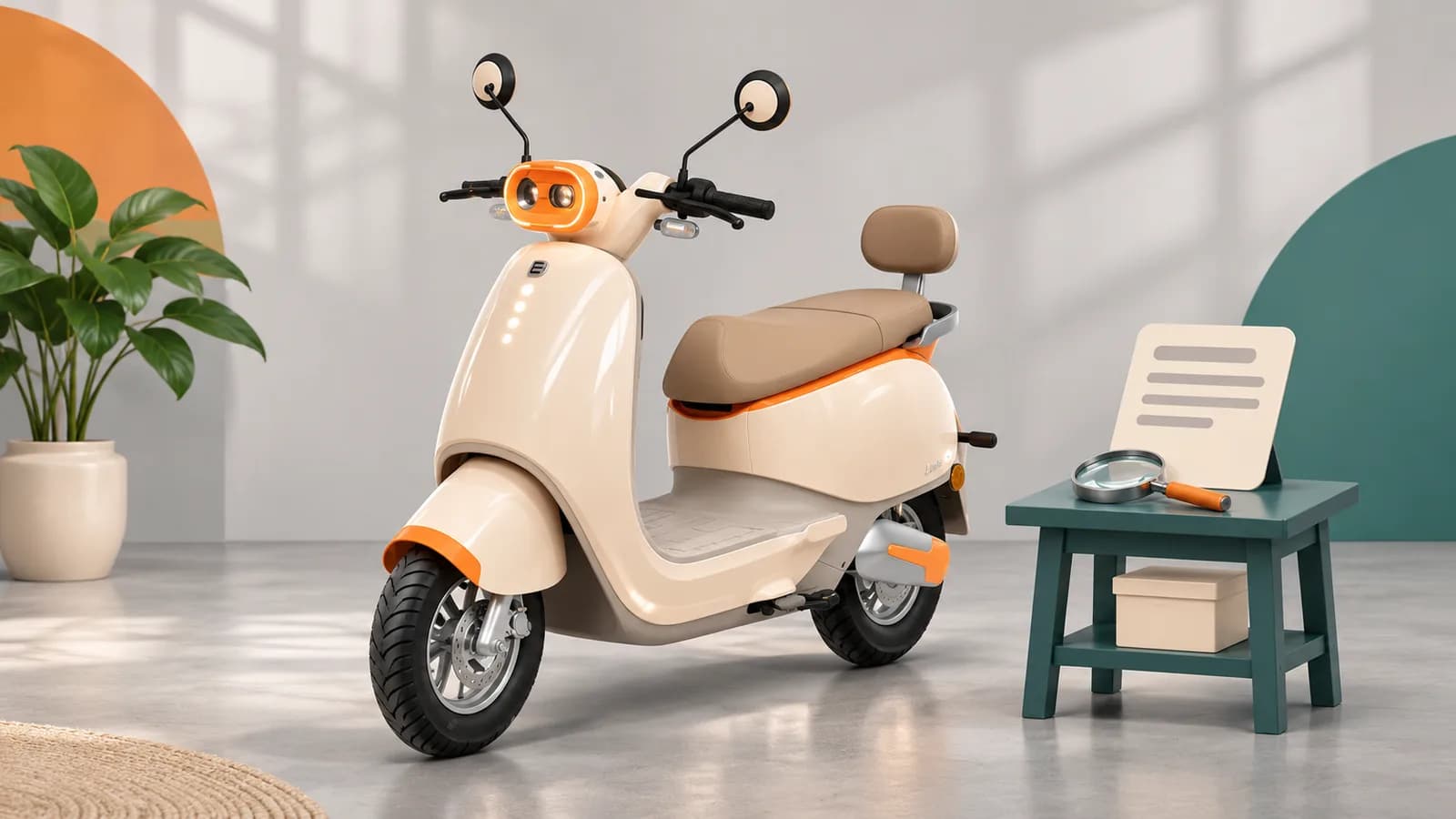
An electric scooter battery label helps identify the battery and describe its electrical ratings. V refers to voltage, Ah to electrical charge capacity and Wh to energy. These are different measurements, not interchangeable promises about distance, condition or compatibility. Read the label alongside the exact scooter's documentation, and ask the manufacturer to resolve a mismatch before buying a replacement.
This guide explains the information, not how to expose a hidden battery or test electrical connections. If a label is inaccessible without removing covers or disturbing wiring, ask an appropriate service provider to identify it. A support conversation does not justify opening a sealed pack.
Which details should you record first?
Begin with the model or part reference, manufacturer name and any safely visible identification number. A photograph of the complete label is often more useful than a cropped capacity figure. Keep identification numbers in the private support conversation rather than posting them with your address or purchase documents on a public forum.
Write down whether the label belongs to the battery, charger or vehicle. Otherwise an output rating copied from the charger can become an incorrect battery specification in your enquiry. If wording is unreadable, say so. Do not fill a gap with a specification from a similar-looking scooter or a seller's generic product photograph.
What is the difference between V, Ah and Wh?
Volts describe electrical potential difference. Ampere-hours describe charge capacity, while watt-hours describe an amount of energy. Bosch's battery technical tables list voltage, capacity and energy content separately for its eBike products. These are distinct ratings; Bosch's products do not identify the battery supplied with a Dynamo scooter.
| Label item | What it helps describe | What it does not establish |
|---|---|---|
| V | An electrical voltage rating | Approval for a different vehicle |
| Ah | Electrical charge capacity | Distance available on every route |
| Wh | Rated energy content | The battery's remaining health today |
| Model or part reference | Identity to check against documentation | That an online replacement is genuine |
| Serial or batch reference | A reference for private support | Warranty eligibility on its own |
For a simple nominal-rating estimate, V multiplied by Ah gives Wh. That relationship is not an instruction to combine batteries, select a charger or change the vehicle. Where a manufacturer's stated energy rating differs from a rough calculation, ask which rating and test basis apply instead of replacing the documentation with your own assumption.
Does the label show current battery health?
A printed capacity rating describes a specified product characteristic; it is not a recent inspection report. A clear label cannot prove how the battery was stored, whether it was damaged or how it performs now. Likewise, an unreadable label does not tell you the technical cause of a fault.
For a concern about changing usable distance, keep the question separate from identification. Record the model, the symptoms and the circumstances and use the support fault-report guide. The existing real-world range explanation addresses route planning; a capacity figure should not be treated as a guaranteed journey result.
Are matching numbers enough for a replacement?
No. A matching visible rating is not proof that the battery and vehicle have been approved to work together. Ask the vehicle manufacturer to confirm the exact replacement reference and charging equipment in writing. Do not treat a matching plug or an online description saying universal as that confirmation.
The US Consumer Product Safety Commission's micromobility safety guidance recommends manufacturer-confirmed suitable replacement batteries and cautions against packs reworked by unqualified people. This is general safety information, not Indian certification advice or evidence about a particular Dynamo component.
What should you send to Dynamo support?
Use the official contact page with the scooter model from your purchase record, the battery label photograph if safely accessible, and a short statement of your question. Distinguish identifying the existing part from requesting permission to fit a replacement. Include the charger reference only as a separately labelled item.
Keep the response with your service records. If you need a charger rather than a battery, use the separate replacement charger guide. Neither a support message nor this article changes the written warranty or authorises an electrical modification.
Sources and scope
Prepared on 6 November 2026 using the linked Bosch technical tables, CPSC safety guidance and official Dynamo support resources. No current Dynamo battery capacity, supplier, compatibility or warranty entitlement is asserted. This is an explanation of label information, not an inspection or a replacement recommendation.