Ownership
EV Scooter Monsoon Care and Maintenance
Follow the model manual for wet-weather use, avoid flooded routes and get authorised assistance after water exposure instead of attempting electrical repairs.
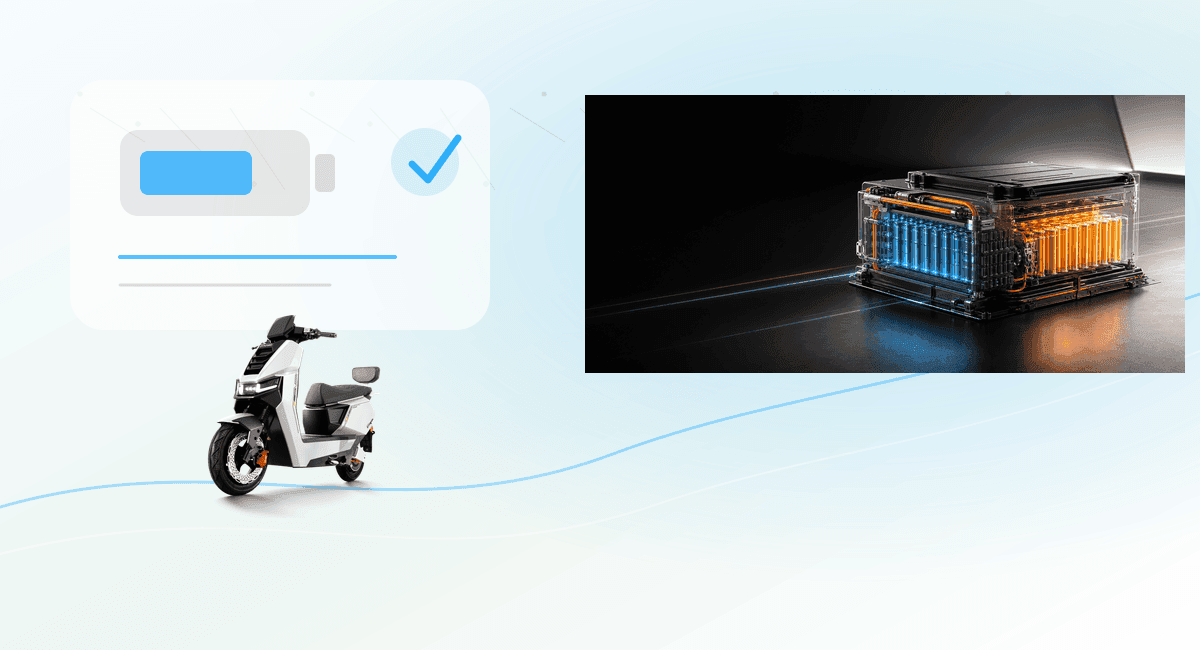
For monsoon riding, follow your scooter's own manual, avoid flooded routes and keep charging equipment in the conditions specified by the manufacturer. Do not infer safe water depth from a photograph or treat an ingress-protection claim as permission to ride through a flood. After significant water exposure, contact authorised service before charging or continuing use.
This guide does not provide a universal water-depth limit or a battery-repair procedure. Those decisions require the exact model's instructions and, where necessary, professional assessment.
Prepare before the rainy journey
Check the routine inspection items in the manual, including tyres, lights and brakes. If a warning appears or a component is damaged, arrange service rather than assuming it is only a rainy-weather inconvenience. Choose a route with a practical alternative if a known low-lying stretch floods.
Keep essential contacts accessible: the dealer, authorised workshop and any assistance provider included in your ownership documents. Check what transport or recovery arrangements actually cover; do not assume every service is free or available everywhere.
Treat standing water as a reason to reroute
You cannot judge every submerged hazard from the surface. Avoid flooded roads and follow local traffic and emergency advice. Do not copy an online demonstration of another scooter crossing water; its equipment, conditions and consequences may be unknown.
During ordinary permitted wet-weather use, ride within conditions and follow the manufacturer's instructions. This is not a substitute for riding training, local warnings or legal requirements. The Ministry's road-safety resources are an official starting point for broader road-safety information.
| Situation | Next step |
|---|---|
| Normal rain exposure | Follow the model manual's care instructions |
| Flooded route ahead | Choose a safe alternative rather than testing depth |
| Suspected water ingress | Stop safely and contact authorised support |
| Wet or damaged charging equipment | Do not connect it; seek professional assessment |
| Fault or warning after exposure | Record it safely and arrange service |
Be careful with charging after rain
Use the designated charging area and approved equipment. Inspect only as directed by the manual; do not open the battery casing, charger or sealed electrical components. If water exposure or damage is suspected, do not plug the vehicle in simply to test whether it works.
Have the fixed electrical installation and any damaged supply equipment checked by a qualified professional. The home-charging checklist explains permission, equipment and installation questions without giving DIY wiring instructions.
Keep maintenance and warranty records
An electric scooter still has components that need inspection and care. Follow the service schedule and use the specified parts and consumables. Keep invoices and note symptoms, dates and any advice received after an incident; avoid guessing the cause of an electrical fault.
Ask the authorised workshop how water-related damage is assessed and check the actual warranty exclusions. Our warranty guide explains which documents to request. It does not promise that a weather-related claim will be covered.
What should I check before the monsoon?
Locate the manual for your exact variant, confirm service contacts and review the charging location. If you are still buying, include wet-weather parking and service access in the buying checklist. Review Dynamo models and ask your dealer for model-specific instructions. A clear care plan is more useful than an unsupported all-weather promise.